Nesting is a key technology in modern CNC woodworking, especially in the manufacture of furniture, built-in elements, and series products. The intelligent nesting of components on panel material can significantly reduce material usage and production costs. In this article, you will learn what nesting means, how it works, what advantages it offers, and what technical requirements must be met. You will also find practical application examples and an overview of suitable solutions from BENZ Tooling for nesting machining.
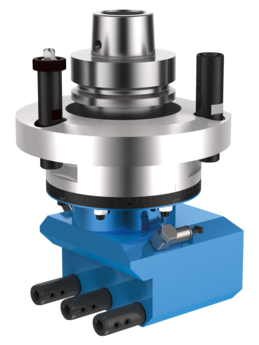
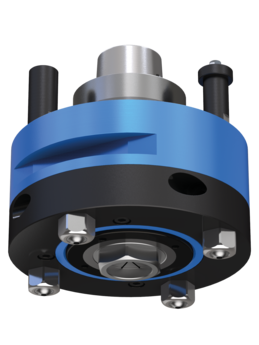
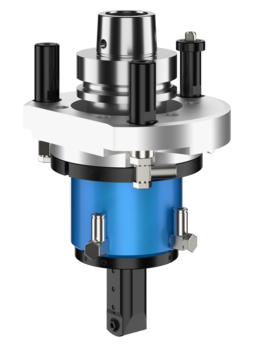
As a specialist in innovative machining and tooling technology, BENZ Tooling develops high-performance solutions for nesting machining in woodworking. From high-performance milling units and multi-spindle units to customized tooling solutions for CNC systems, BENZ Tooling stands for efficiency, quality, and durability.

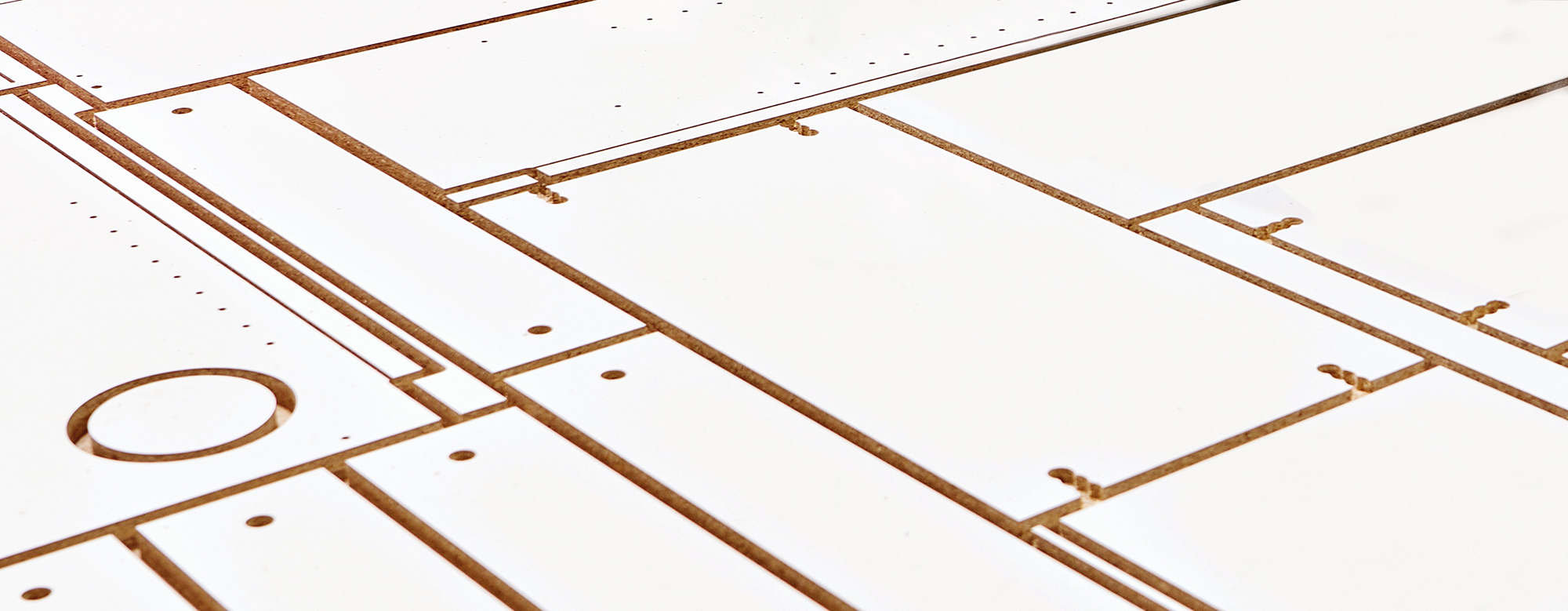
Nesting refers to a process in which workpieces are arranged as efficiently as possible on a material surface—usually wooden panels—in order to minimize waste. In CNC woodworking, this means that the milling paths are generated directly from the optimized arrangement (nesting plan).
The nesting process usually consists of CAD planning of the parts, automated nesting using nesting software, and direct machining on a nesting CNC machine.
Why are more and more companies turning to nesting CNC machines? The answer lies in the numerous advantages they offer:
Nesting processes are used particularly in panel-based series production. Typical industries are:


For nesting to work efficiently, both the machine and the tool must be optimally matched to the task.
Typical examples are flatbed machines with a vacuum table and automatic tool changer. Important features include:
Special requirements for milling cutters:
Tip: With specially developed nesting units from BENZ Tooling, precise edges and clean inner contours can be achieved even with complex geometries.

Contact us. We will be happy to advise you regarding your individual request.
BENZ Tooling is one of the world's leading manufacturers and suppliers of components and systems for tool and machine tooling technology. The company employs about 300 people and is represented in over 30 countries worldwide.